Ding Kiln
Overview
Ding Kiln is renowned for its production of white ceramics, specifically during the Northern Song Dynasty (960-1127), and is recognized as one of the "five great kilns" of ancient China. Located in Quyang County, Hebei province, the Ding Kiln represents a significant chapter in the history of Chinese ceramics, known for producing pieces that were "thin as paper, white as jade."
Historical Background and Significance
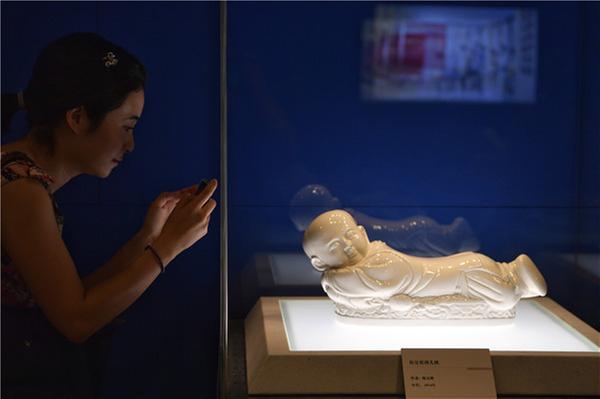
The Ding Kiln's history dates back to the Tang Dynasty (618-907), where it gained prominence and flourished during the Northern Song Dynasty. It produced some of the most exquisite porcelain known for its pristine white color and delicate craftsmanship. A notable example is the ivory-white glazed ceramic pillow, shaped like a baby known as hai'er zhen, which is among China's national treasures housed at the Palace Museum in Beijing. This artifact exemplifies the kiln’s contribution to ancient Chinese aesthetics, showcasing intricate designs that symbolize auspiciousness.
Decline and Revival
The decline of Ding Kiln’s traditional techniques occurred after the Yuan Dynasty (1271-1368) due to social turbulence and changes in economic conditions. However, the kiln’s techniques were revived in modern times by artisans like Chen Wenzeng, Lin Zhanxian, and He Huan who dedicated themselves to restoring the art of Ding ware. Their efforts have been pivotal in reintroducing the classic Ding Kiln styles to contemporary ceramics, preserving its legacy within the Chinese cultural heritage.
Contemporary Influence and Cultural Heritage
In recent years, the Ding Kiln has been a subject of artistic and cultural exhibitions that celebrate its historical significance. Modern exhibitions in Beijing aim to showcase the excellence of Ding ware alongside other renowned kilns, highlighting the traditional craftsmanship that has influenced porcelain production globally. The Ding Kiln porcelain firing technique was recognized as an item of national intangible cultural heritage in 2008, illustrating the cultural importance and ongoing influence of Ding ceramics in both domestic and international contexts.
Artistic Representation and Modern Adaptations
The legacy of Ding Kiln ceramics continues to inspire modern artists. Various exhibitions feature the kiln’s reproduction works, which retain the traditional paper-thin texture and elegant glaze. These reproductions are significant in bridging ancient artistry with contemporary techniques, allowing a new generation of artists and audiences to appreciate the profound impact of Ding ware. Additionally, the Ding Kiln's influence is reflected in dance drama productions and contemporary art pieces that incorporate its historical motifs and craftsmanship.
Global Impact
Ding Kiln porcelain has influenced international ceramic art, particularly through exports via the ancient marine Silk Road during the Tang Dynasty and later through European royal collections. The enduring appeal of Ding ware is evident in its impact on global ceramic styles and its integration into modern art exhibitions around the world. This global reach underscores the kiln’s historical significance and its role in shaping the cultural landscape of porcelain artistry.
Preservation Efforts and Educational Initiatives
Efforts to preserve and promote Ding Kiln ceramics include collaborations with cultural platforms like Bilibili for recruiting dancers and engaging young audiences with traditional Chinese arts. These initiatives highlight the kiln’s influence on cultural education and the importance of sustaining its heritage through innovative approaches. Moreover, museums and cultural heritage organizations continue to play a crucial role in safeguarding Ding Kiln artifacts and educating the public about its historical and artistic value. Article reference1. Porcelain for posterity. chinadaily.com.cn. 2017Photo Gallery(3 pictures)CategoriesCultural HeritageTagChinese CeramicsArchaeological DiscoveryRelatedDing PorcelainPorcelain PillowChinese Porcelain MakingCatalogue1. Overview2. Historical Background and Significance3. Decline and Revival4. Contemporary Influence and Cultural Heritage5. Artistic Representation and Modern Adaptations6. Global Impact7. Preservation Efforts and Educational Initiatives- - - []








